
01.
Healthy Habits
Start with small changes
You don’t have to overhaul your entire lifestyle in a single day. Begin with something simple—like eating breakfast regularly, taking a short walk, setting a consistent bedtime, or incorporating brief breaks into your workday. Introducing new habits gradually helps you find a pace that works for you and makes your daily routines more consistent.
02.
Daily activity
Add more movement to your routine
Physical activity isn’t limited to gym workouts. Walking, taking the stairs, doing some light stretching, gardening, or engaging in active leisure—all of these help add variety to your day. Choose activities that are accessible to you, keep your own capabilities in mind, and gradually increase the time you spend moving.
03.
Balance and recovery
Prioritize rest alongside your tasks
Getting enough rest, enjoying a calm evening, maintaining a regular sleep schedule, and taking breaks throughout the day all help you sustain a balanced rhythm of life. It’s important to consider not just your physical exertion, but also your emotional state, your workload, and your need for personal time.
A Healthy Lifestyle Begins with Everyday Choices
This project focuses on practical principles for a healthy lifestyle that can be applied in everyday settings—at home, at work, while out and about, or during your free time. We view daily habits as an interconnected system, where nutrition, physical activity, sleep, and recovery all complement one another. Our goal is to help you understand the core tenets of self-care and discover effective ways to gradually improve how you structure your day.
We curate and organize information on balanced nutrition, physical activity, sleep patterns, managing daily stress, and time management. Our focus is on providing clear, accessible recommendations that don’t require complex preparation or a radical overhaul of your existing routine. We offer guidance on creating realistic plans, choosing accessible food options, incorporating movement into your daily life, and finding time for recovery—even when you have a busy schedule.

Six Areas for a More Balanced Life
Healthy habits are built from a multitude of small actions. We explore the key components of everyday well-being and show how to gradually introduce positive changes—without unnecessary complexity, rigid rules, or the pressure to achieve instant results.
1. Balanced Nutrition
A varied diet ensures you get the essential nutrients you need and makes your meals more wholesome. This section covers vegetables, fruits, whole grains, protein sources, and healthy fats. We also offer guidance on meal planning, grocery shopping, and preparing simple, everyday dishes.
2. Daily Physical Activity
Regular movement can be a natural part of your day rather than a daunting, separate task. Walking, light stretching, home workouts, staying active on weekends, or taking short breaks during the workday can all add variety to your routine. The key is to find a type of activity that suits your personal preferences and physical capabilities.
3. Quality Sleep
Your sleep routine affects your daily well-being, focus, and ability to handle stress. We discuss the importance of a consistent bedtime, evening habits, optimizing your sleep environment, and minimizing distractions before bed. These tips will help you be more mindful of the quality of your sleep routine.
4. Stress Management
Work, household responsibilities, and a constant stream of information can create extra pressure. This section explores techniques such as taking short breaks, practicing breathing exercises, going for walks, planning tasks, and finding time for quiet relaxation. We focus on practical, realistic methods that you can adapt to fit your own schedule.
5. Recovery and Rest
Physical activity should be balanced with sufficient time for recovery. It is helpful to alternate between periods of work and rest, consider the intensity of your exercise, and make space for calm, low-energy activities. We explain how to plan your weekends and organize breaks, ensuring that self-care doesn’t simply become yet another source of constant busyness
6. Organizing Your Daily Routine
A well-structured routine helps you balance your energy across work, meals, physical activity, and personal matters. This section offers recommendations on planning your week, preparing meals in advance, creating to-do lists, and establishing consistent morning and evening rituals. The goal is to make your daily life more organized and comfortable.
Movement that fits naturally into your day
Staying active, without unnecessary complications
Everyday movement can start with simple decisions: walking part of the way, going for a short walk during a break, taking the stairs instead of the elevator, or spending a day off in nature. These activities help add variety to your day and reduce your dependence on an exclusively sedentary routine.
It is important to choose a feasible load, take into account your well-being and increase activity gradually. If your usual walks have become comfortable, you can change the route, add small climbs or plan longer trips into the fresh air.
Nutrition that’s easy to manage
Plan your diet with your lifestyle in mind
Eating a balanced diet becomes easier when key decisions are made in advance. You can create a rough menu for a few days, put together a shopping list, and select dishes that are simple to prepare at home. This approach helps add variety to your diet and reduces the need to figure out what to eat at the last minute.
Try to incorporate a mix of different food groups: vegetables and fruits, protein sources, whole grains, and healthy fats. When planning, take into account your personal preferences, the season, the availability of ingredients, and the amount of time you are willing to dedicate to cooking.
Useful resources for everyday self-care
Explore various aspects of a healthy lifestyle and gradually build a system of habits that works for you. Each section focuses on specific objectives—from organizing your nutrition to planning physical activity and ensuring adequate rest.
Meal Planning
Practical resources help you organize a weekly menu, create shopping lists, and put together food combinations for various meals. Special emphasis is placed on simple recipes, prepping ingredients in advance, and using accessible, seasonal produce. This approach helps reduce daily stress and adds variety to your diet.
Movement and Exercise
Here, you will find ideas for walks, at-home warm-ups, outdoor activities, and ways to gradually incorporate physical movement into your regular schedule. These materials help you choose the right type of activity, consider your current fitness level, and avoid sudden, intense increases in exertion. Consistency and safety are more important than trying to do too much in too short a time.
Sleep and Evening Routine
Learn how to create a calm evening, minimize distractions, and stick to a more consistent sleep schedule. This section covers preparing your bedroom, limiting stimulating activities before bed, and establishing small rituals to help you wrap up your workday and shift into recovery mode.
Emotional Well-being
Daily stress requires as much attention as physical activity. We explore how to plan breaks, take quiet walks, manage tasks, and carve out time for personal interests. The goal of this section is to help you find a sensible balance between your obligations, social interactions, and restorative rest.
Habits and Routines
Consistent actions are easier to maintain when they are linked to existing parts of your daily routine. These materials focus on setting small, manageable daily goals, tracking your progress, planning your week, and adjusting your habits as circumstances change. You can select a few priorities and gradually integrate them into your own schedule.
Rest and Recovery
This section covers relaxing activities, walks, balancing exertion with rest, and how to make the most of your free time. We explain why it’s beneficial to be mindful of how you’re feeling, to avoid filling every single minute with tasks, and to leave space for recovery after busy days.
A PRACTICAL APPROACH
The secret to lasting change is consistency.
A PRACTICAL APPROACH
The secret to lasting change is consistency.
Major changes do not always require complex plans. Often, it is more practical to start with one specific action and repeat it whenever the right conditions arise. For example, you might go for a walk after lunch, prepare your breakfast the night before, or take a few minutes to stretch after working at a computer for an extended period.
It is helpful to decide in advance when and where a new action will take place. The clearer the habit—and the easier it is to get started—the simpler it becomes to integrate it into your daily life. If you happen to miss a day, there is no need to abandon your goal; you can simply return to your plan at the next available opportunity.
A Concrete Goal
Instead of a vague intention like “moving more,” choose a specific, actionable task—such as taking a walk after lunch or doing a quick stretching routine in the middle of the workday.
Regular Evaluation
Periodically assess which actions are truly convenient to carry out, what obstacles might be getting in the way, and what adjustments you might want to make to your routine.
An Appropriate Pace
Choose changes that align with your current schedule, fitness level, and available resources. There is no need to adopt several new habits all at once.
Flexibility and Recovery
Allow yourself the flexibility to adapt your plan based on changing circumstances. Rest, taking time off, and adjusting your workload are all essential parts of a sensible approach.
Information that is useful to apply in everyday life
We strive to make our content on healthy living clear, consistent, and practical. Each thematic section helps you explore a specific topic, examine potential courses of action, and determine which recommendations best suit your own daily circumstances.
At the core of this project lies a respectful approach to each person’s unique traits, habits, and capabilities. People have different work schedules, dietary preferences, physical activity levels, and ways of relaxing. Therefore, rather than offering a single, one-size-fits-all plan, we explore various ways to structure daily life.
We focus on providing clear explanations, a logical framework, and concrete examples. Instead of making broad, sweeping calls for total change, we break things down into small, manageable actions—such as prepping food for a few days, choosing the best time for a walk, establishing an evening ritual, or distributing tasks throughout the week.
What are you prepared to change today?
Start with one small step that fits into your current routine. Plan a short walk, prepare a balanced breakfast, set aside time for a relaxing evening, or create a list of habits you’d like to focus on. You don’t have to do everything at once; it is far more important to choose a realistic action, figure out how to integrate it into your day, and stick with it at a pace that works for you.
Explore the available resources, select the recommendations that suit you best, and gradually build a routine that includes space for healthy eating, physical activity, quality sleep, and rest.
Practical Plans for Daily Life
Gathering ideas in one place helps you move from general intentions to concrete actions. Use these themed collections to organize your meals, incorporate movement into your routine, and devote more attention to rest.
Weekly Meal Plan
Create a tentative menu, assign main dishes to specific days, and prepare a grocery list in advance. Think of a few options for breakfast, lunch, and dinner that can be easily swapped depending on how busy your schedule is. Include vegetables, fruits, protein sources, and whole grains, keeping your personal preferences and the availability of ingredients in mind. This kind of preparation helps save time on daily decision-making and ensures a more varied diet.
A Week of Everyday Activity
Choose a few ways to incorporate movement into your daily routine: a walk after lunch, a quick warm-up, an active route on your way home, or an outdoor activity on the weekend. Consider your current fitness level and adjust the intensity gradually. It is important that your plan does not interfere with recovery and remains manageable, even on busy days.
Evening Routine and Relaxation
Plan a sequence of calming activities before bed: wrap up work tasks, prepare your belongings for the next day, dim the lights, and set aside time free from unnecessary notifications. Choose a comfortable bedtime and try to stick to a fairly consistent schedule. A well-suited evening ritual helps separate work responsibilities from personal time and brings a greater sense of order to the end of your day.
Useful articles for healthy daily habits
Read articles on nutrition, physical activity, and how to structure your day. Each piece focuses on a specific topic and offers ideas that you can evaluate based on your own schedule, preferences, and personal circumstances.
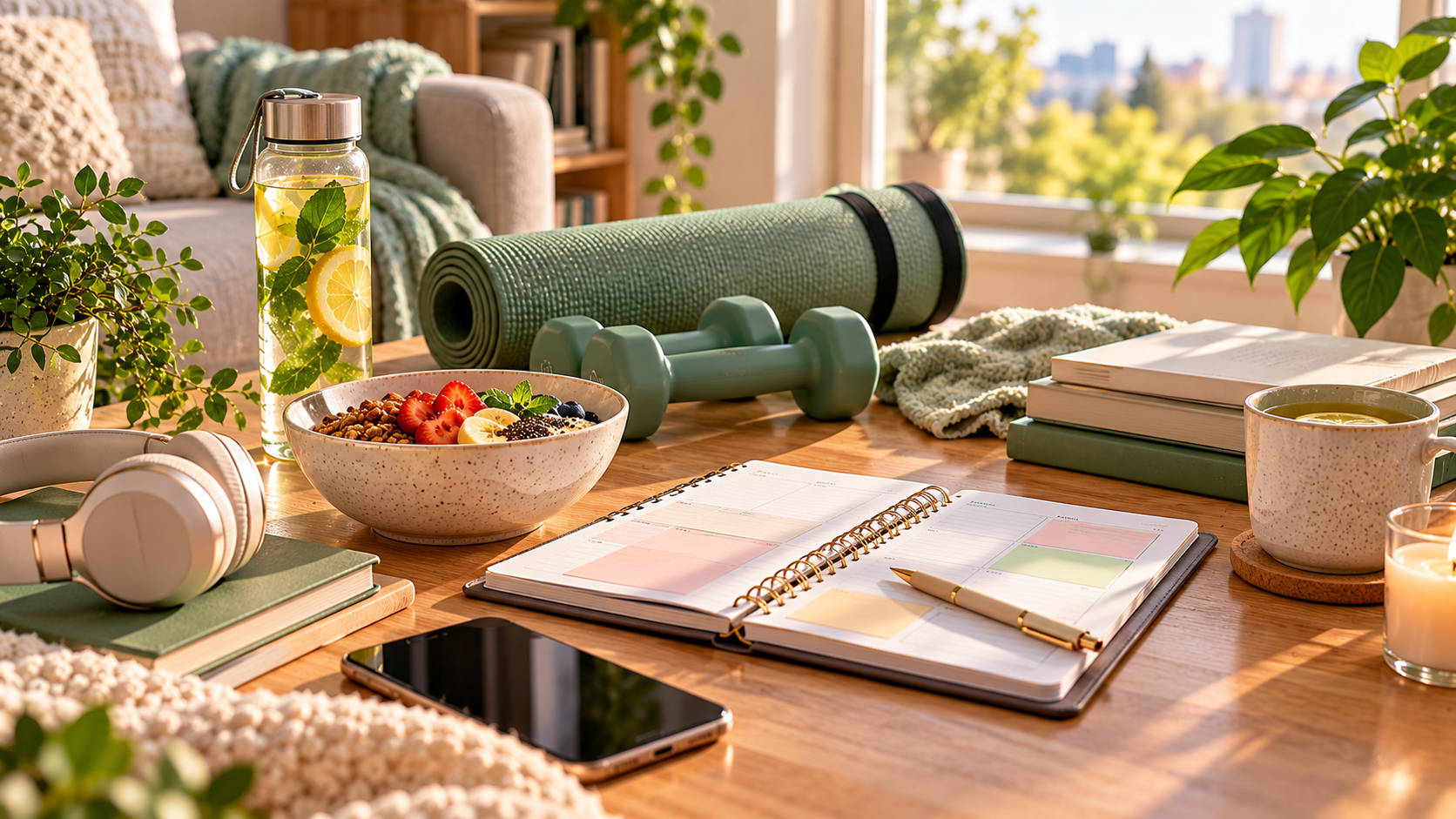
How to find time for rest, physical activity, and personal interests within a packed schedule
Before changing a packed schedule, take time to understand it as[…]
Evening habits that help you unwind after a busy day
The end of the workday does not always bring an immediate[…]
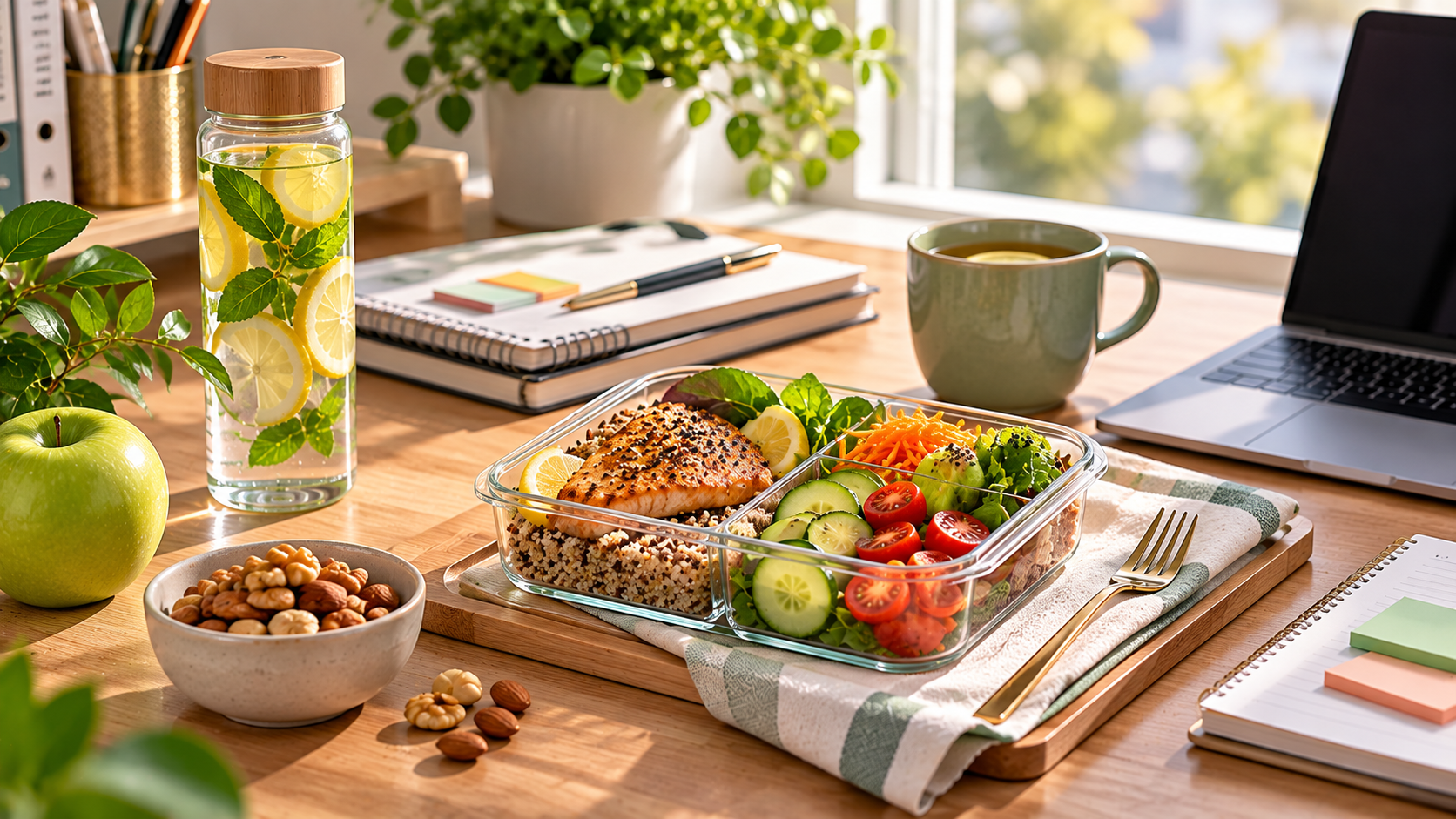
How to manage your meals during the workday without unnecessary rushing
Workday meals often feel rushed because several small pressures converge at[…]
How healthy habits fit into everyday life
Everyone has their own schedule, preferences, and idea of what a convenient routine looks like. These examples show why many people start with small changes, opting for actions that are easier to maintain in everyday life.
“I liked that the materials focus not on complicated systems, but on simple, everyday tasks. I’ve started planning a few meals for the week in advance and making a shopping list. It’s made it much easier to choose groceries and saves me from spending so much time trying to decide what to cook in the evening.”
“Because of my work, I spend a lot of time at the computer, and I rarely used to think about taking breaks. Now, I try to go for a short walk whenever it’s convenient and sometimes do some stretching between tasks. I like that I can choose a simple activity that doesn’t require any special equipment.”
“The section on organizing my evening time proved useful to me. I’ve started finishing some tasks ahead of time and getting things ready for the next day. It doesn’t always go perfectly, but this approach has helped me be more mindful of my schedule and leave more room for relaxing downtime.”